Whole-Home Heat Pump Conversion with Full Duct System Replacement
COLD CLOUD replaced an aging gas-based HVAC system with a high-efficiency all-electric Daikin heat pump, a fully redesigned R-8 duct system, Manual J and Manual D design, HERS testing and completed permit approval.
From aging gas HVAC to a fully electric comfort system
COLD CLOUD completed a full HVAC system replacement at a single-family residence in the Los Feliz neighborhood of Los Angeles. The project included the removal of an aging gas-based system, a complete duct redesign and replacement and the installation of a high-efficiency all-electric heat pump.
Instead of simply replacing old equipment with a similar setup, the system was redesigned around the home’s actual load, airflow needs, duct layout and California energy code requirements. The result is a cleaner, more efficient, fully electric HVAC system built for long-term comfort and lower operating costs.
Why this project required more than a simple equipment swap
The old HVAC setup had multiple performance issues: an aging gas furnace, an older split-system AC, undersized and poorly sealed flex ductwork and R-4 duct insulation that no longer matched current California efficiency expectations.
The old duct system was wasting conditioned air
The previous flex duct system ran through an unconditioned crawlspace and was insulated only to R-4. That meant a significant portion of conditioned air was being lost before it reached the living space.
The new heat pump needed a correctly designed duct system
A high-efficiency inverter heat pump can only perform properly when the duct system is sized, sealed, insulated and balanced around the actual load of the home.
What COLD CLOUD completed
The project included demolition of the old gas-based HVAC system, full duct replacement, load calculations, duct design, equipment installation, rebate support, HERS testing and final inspection.

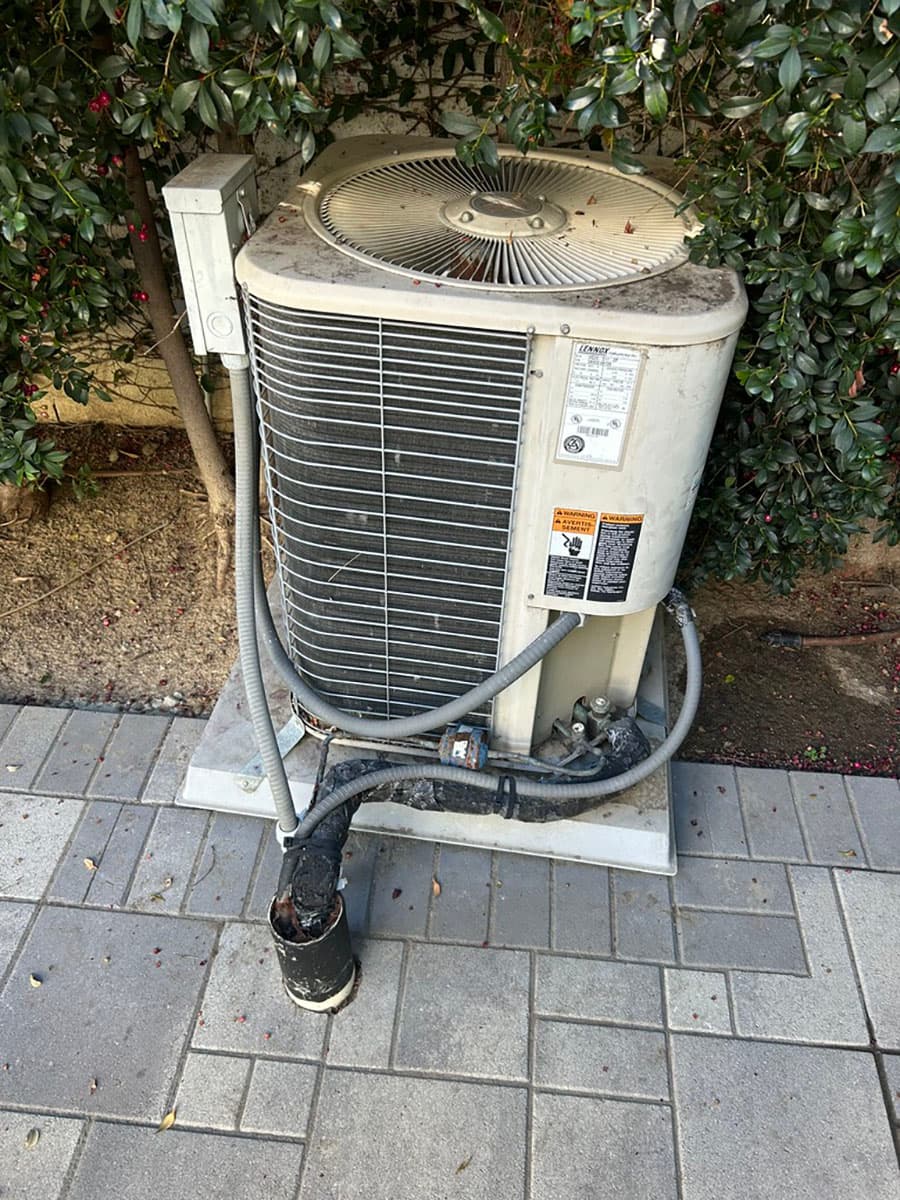
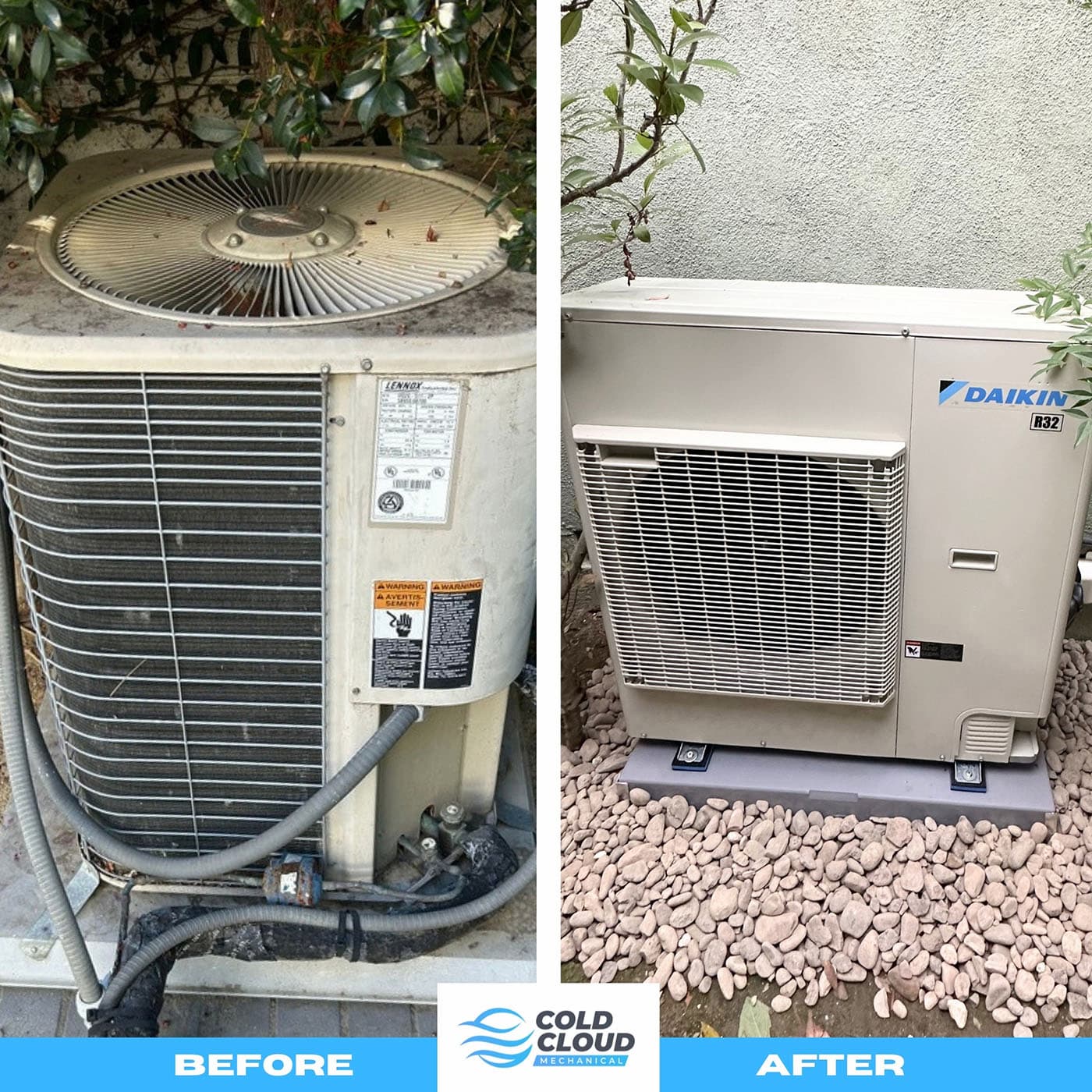
- Removal of the existing gas furnace and split-system AC unit.
- Full demolition of the existing flex duct system, including materials containing asbestos-era components, handled per California Mechanical Code and EPA guidelines.
- Manual J room-by-room load calculation to determine accurate heating and cooling demand for each zone.
- Manual D duct system design sized to the actual load, including supply and return sizing, trunk layout and static pressure calculations.
- Addition of a dedicated return air pathway in the main living area to correct previous air balancing deficiencies.
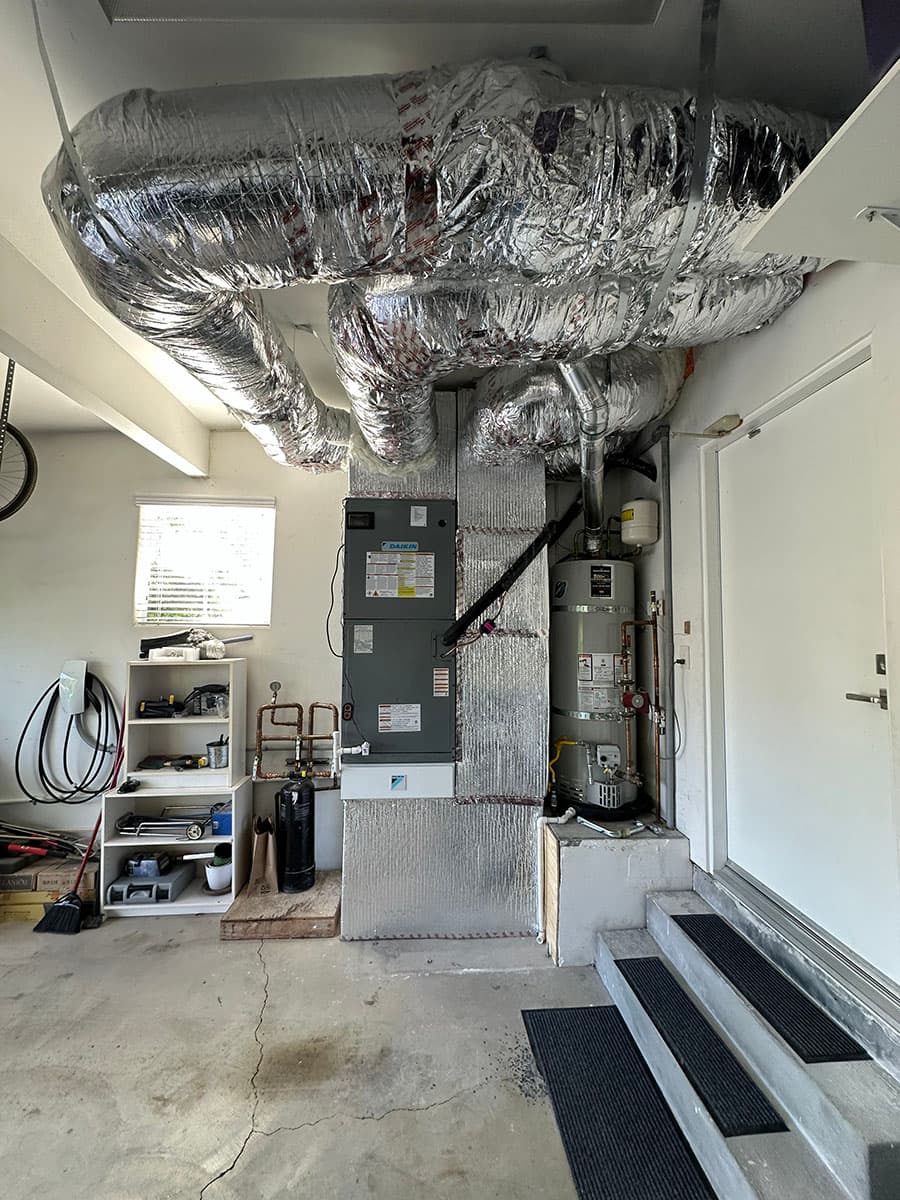
- New duct system installed per California Mechanical Code and SMACNA standards with rigid and semi-rigid construction.
- Mastic-sealed duct joints and full R-8 duct insulation installed to meet current Title 24 requirements.
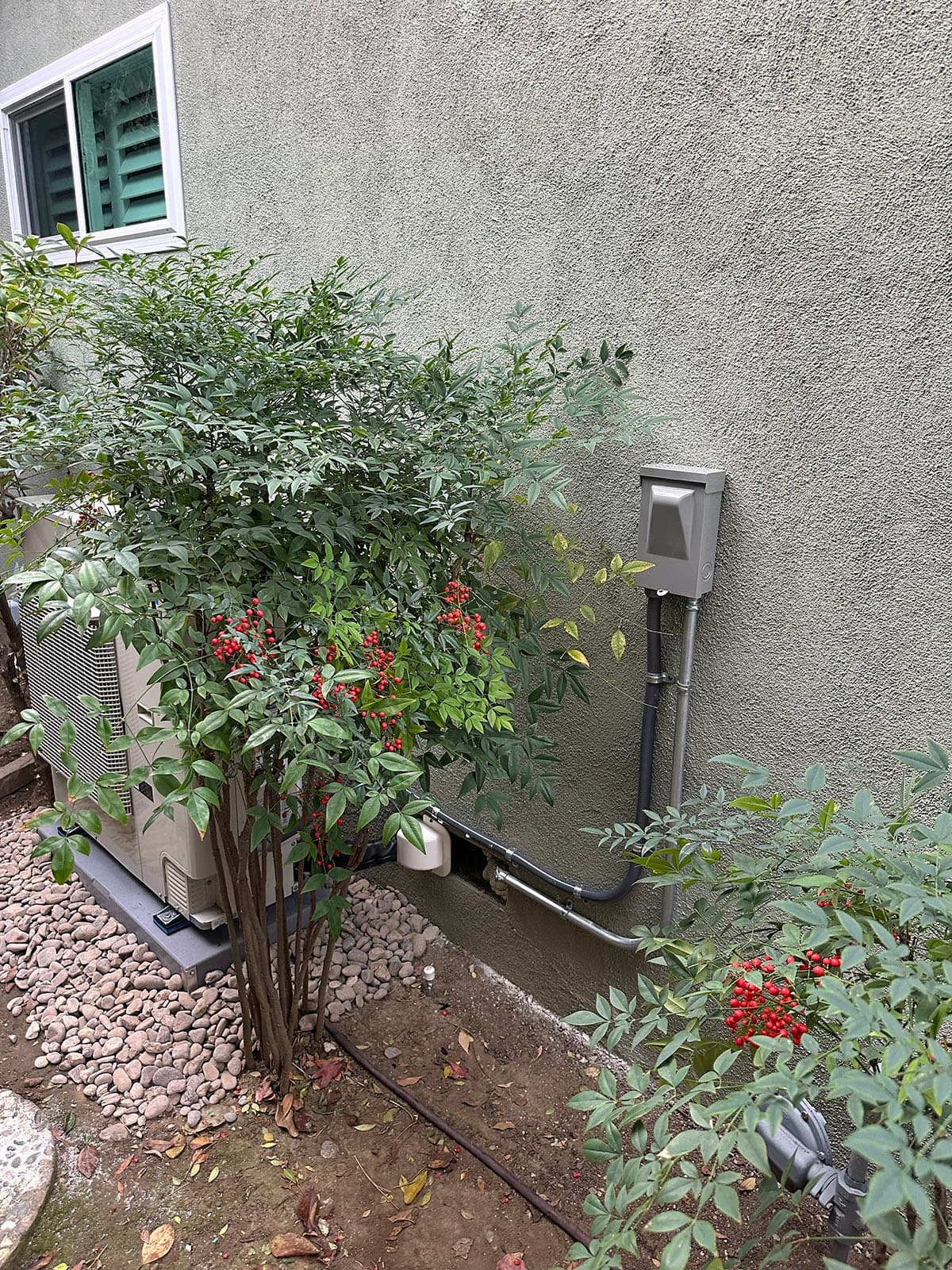
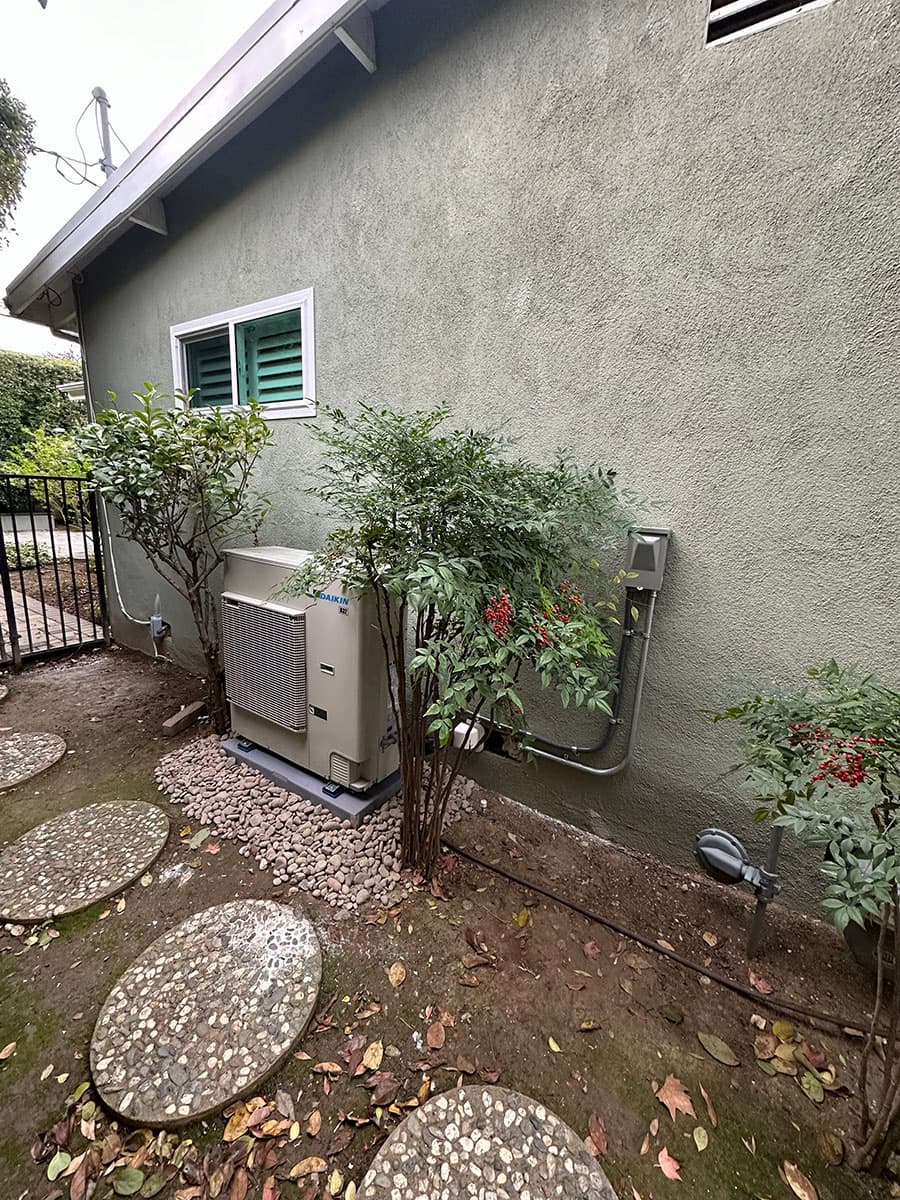
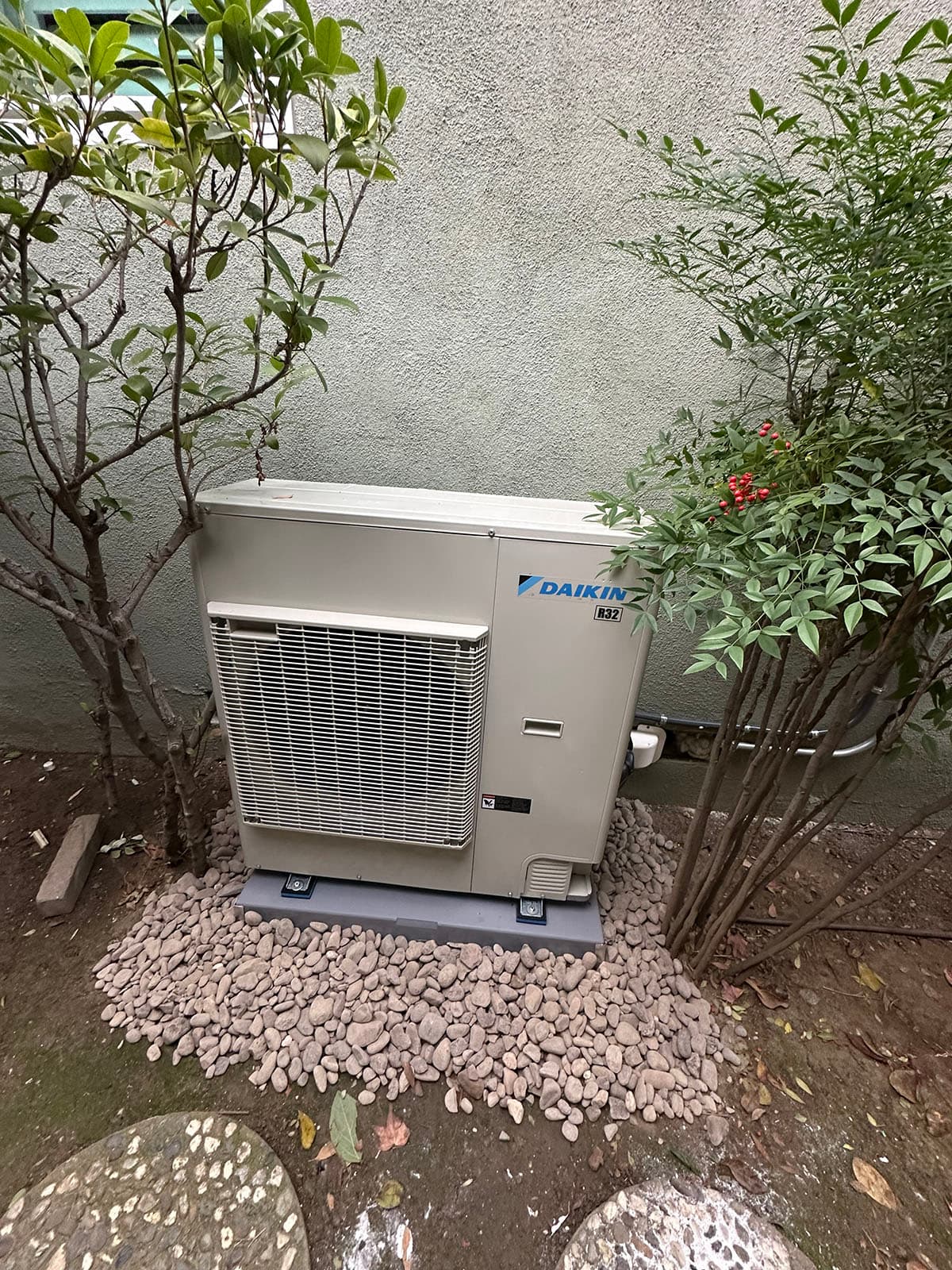
- Installation of a Daikin DH7 5-ton variable-speed, all-electric, inverter-driven heat pump system.
- Daikin One+ smart thermostat installed and configured.
- HERS testing performed after installation.
- Full permit package submitted to LADBS, with inspection coordinated and passed.
- Rebate submissions handled by COLD CLOUD on the client’s behalf.
$6,500 in total client savings secured
COLD CLOUD handled the rebate submission process for the homeowner, helping reduce the final project cost while upgrading the home to a modern all-electric HVAC system.
For a qualifying 5-ton heat pump system meeting the required SEER2 efficiency threshold.
Additional equipment-related savings secured through the Daikin contractor rebate program.
Rebate paperwork and submissions were handled entirely by COLD CLOUD.
Daikin DH7 heat pump, smart controls and R-8 ductwork
The final installation centered around a high-efficiency Daikin variable-speed heat pump system with smart controls and a fully redesigned duct system sized to the home’s actual load.
Daikin DH7VS-060
5-ton variable-speed heat pump with 18+ SEER2 performance, HSPF2 compliance and A2L-ready refrigerant circuit.
Daikin One+ smart thermostat
Communicating thermostat with remote monitoring capability, installed and configured for the new system.
Manual D-designed R-8 ductwork
New rigid and semi-rigid duct system with mastic-sealed joints, proper insulation and corrected return air pathway.
HERS tested and LADBS approved
Post-installation HERS testing was completed and the permit package was submitted, coordinated and passed.
Efficiency depends on the full system, not the equipment alone
The previous duct system was undersized, improperly sealed and insulated to R-4. Running through an unconditioned crawlspace, the system was losing a significant portion of conditioned air before it ever reached the living space.
The new duct design was sized from first principles using Manual D against a verified Manual J load. That allowed the Daikin DH7 heat pump to operate within its designed efficiency range, rather than fighting against an old duct system that restricted airflow and wasted energy.
Before, during and after the Los Feliz heat pump conversion
The photos below show the old gas furnace, old AC condenser, existing duct conditions, new indoor equipment and completed Daikin heat pump installation.

A cleaner, code-compliant, all-electric HVAC system
This project brought the home into alignment with current California energy expectations while improving comfort, airflow, efficiency and long-term system performance.
Lower peak energy draw
The inverter-driven compressor modulates output continuously instead of relying on hard on/off cycling, helping reduce peak demand and improve comfort stability.
Better airflow and duct performance
The new Manual D-designed duct system, R-8 insulation, mastic sealing and corrected return pathway allow the system to deliver conditioned air more effectively.
Permit-ready installation
The project included HERS testing, LADBS permit coordination, inspection approval and rebate support handled by COLD CLOUD.
Planning a heat pump conversion or duct replacement?
COLD CLOUD designs HVAC systems around real load calculations, airflow requirements, California code compliance, available rebates and the comfort problems the old system could not solve.